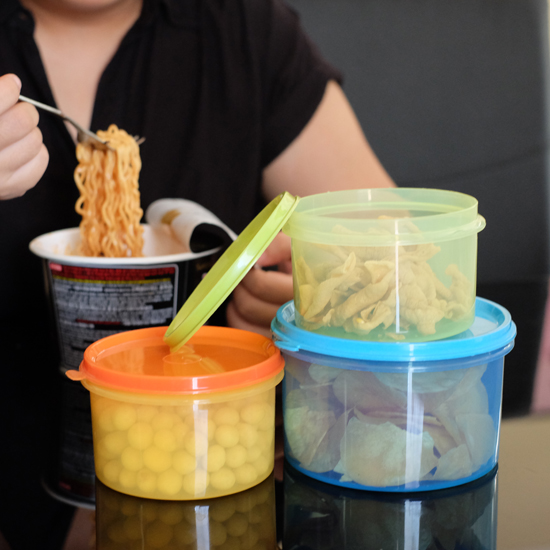
Plastic containers are still a convenient choice for storing various healthy foods, especially after the type of plastic is claimed to be heat resistant. Many people heat food in the microwave using plastic containers because it is practical.
Although currently heating food in plastic containers in the microwave is commonplace, potential dangers are lurking. The high temperature of the microwave can cause the chemicals to leach from the plastic. So then, can you microwave plastic cups?
One can heat food in plastic containers in the microwave, but this is not recommended. The high temperature of the microwave can cause the chemicals to leach from the plastic.
To avoid unwanted incidents, use microwave-safe utensils, glass and ceramic tableware. But don't use items like crystals and some handmade pottery.
Can you microwave plastic cups? While some plastics are safe to use in the microwave, not all are safe. You should not use single-use plastic materials such as yogurt, cottage cheese, and other foods.
Then don't use plastic containers that are cracked, old, or discoloured. Instead, plastic containers for long-term use, such as Tupperware, are microwave safe.
Before placing them in the microwave, you should always check the labels and warnings on all containers. If there is no microwave-safe warning sign, don't use it.
Plastic includes many arrays of organic and inorganic compounds. These various substances are mixed to form plastic.
There are two substances in plastic cups: Bisphenol-A (BPA), which helps make plastic clear and hard. In addition, phthalates serve to make plastic softer and more flexible.
BPA and phthalates can interfere with the normal function of human hormones and are unsuitable for health. In addition, BPA and phthalates can leak into the food when wrapping or placing food in plastic containers and then heating it in the microwave.
Leakage rates will increase even more in fatty foods such as meat and cheese. In addition, if exposure to BPA is exposed to pregnant women, it will cause disturbances during pregnancy.
The following are some of the health problems caused by exposure to BPA from the concurrent use of microwaves and plastics:
1. Hormone Disorders
Bisphenol compounds or BPA can affect fertility, puberty and even cancer development. BPA can mimic hormones such as estrogen, which can cause changes in cell behavior linked to cancer development.
2. Learning, Behavior, and Mood Disorders
Exposure to BPA can increase the risk of developing specific learning, behavior and mood disorders in children because their brains are still developing.
3. Other Diseases
Exposure to BPA also results in type 2 diabetes, obesity and heart disease. Therefore, you must avoid it so as not to get the disease.
For the answer of can you microwave plastic cups, below are two suitable plastic types that can use in the microwave. Here are the two plastics you need to know:
1. Polypropylene (PP)
Polypropylene plastic has a reasonably high heat tolerance making it ideal for hot food packaging that can use the microwave.
Polypropylene has a reasonably high melting point, ranging up to 146°C. The melting point exceeds the microwave temperature of 100°C. In addition, PP plastic is a type of plastic cups that is generally safe to be reused or heated many times.
But even so, it is also essential for you to pay attention to the type of PP plastic. In general, three kinds of PP plastic are often used daily: PP homopolymer, PP random copolymer, and PP block copolymer.
Usually, PP homopolymer and block copolymer plastics are the two types of plastic cups most suitable for hot applications. In addition, PP block copolymer plastic is also resistant to cold temperatures, making it ideal for frozen food packaging.
2. High-Density Polyethylene (HDPE)
HDPE plastic generally has a reasonably wide temperature range, between -40°C to 130°C. That way, HDPE plastic tends to be safe for the microwave because its use temperature can exceed the microwave heat.
This type of plastic is slightly opaque, transparent, and elastic. In addition, HDPE plastic is odourless, impervious to water, heat-resistant and impact-resistant.
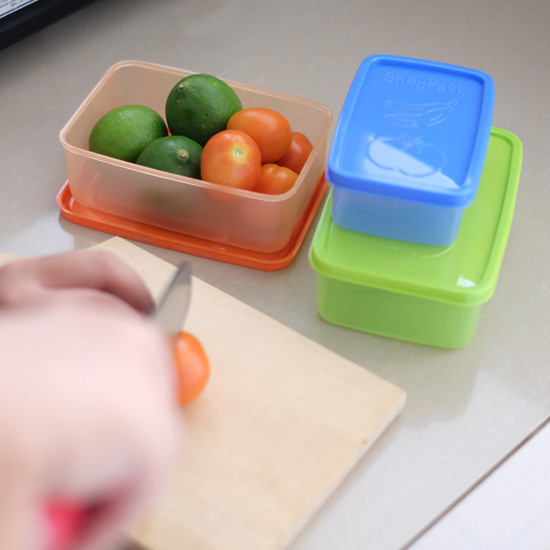
In addition to can you microwave plastic cups, experts do not recommend putting some of the following container materials in the microwave:
1. Aluminum Foil
Many think that aluminium foil can be an effective conductor of heat. This assumption is not wrong. Aluminium foil containers just can indeed be used to wrap grilled food.
When they meet metallic elements on aluminium foil, microwave heat waves can trigger sparks. If the sheet on the aluminium foil catches fire, there is a fire risk.
2. Styrofoam
The chemical content in styrofoam can easily dissolve and contaminate hot food. Styrofoam also includes materials that are not environmentally friendly.
If you heat a styrofoam container in the microwave, it will melt and risk mixing with food. Even more dangerous, styrofoam can even cause cancer.
3. Paper
Never put paper food containers in the microwave, as this will cause a fire. Microwave heat waves can trigger small flames that can snag the paper container.
Not only is there a risk of fire, but the smoke from this burning paper container also contains toxins that can interfere with breathing.
If you are worried about whether you can microwave plastic cups, replace them with ceramic or glass containers. Plastic wrap that sticks to food during heating in the microwave can melt.
Manufacturers design water bottles, plastic containers, or jars to store yogurt, margarine, cream cheese, mayonnaise, and mustard. Unfortunately, most of them are not microwave-safe.
Using containers that are cracked, damaged, or scratched and frequently used to heat food in the microwave can dissolve more BPA and phthalates.
Well, that's the discussion about can you microwave plastic cups and other safer container options. Although it is common practice to heat food in plastic containers in the microwave, it is best to avoid this habit as it can potentially cause health problems in the future.
If you have to use plastic containers, make sure they are labelled BPA-free. Using containers with a BPA-free label can avoid the possible health problems described above.
Castalia International Plastic Products Distributor always provides the best quality plastic products. There are various plastic household products, plastic bottles and cups, medical masks and others here.
We provide strict quality procedures to give you the best and hassle-free shopping experience. You will also find that all items shipped are in their best condition.
You can count on us if you're looking for a consistent supply of plastic products. Find us now at https://castalia-international.sg/.