Everyone needs to learn how to sterilize plastic bottles properly to avoid disease with a simple method. The sterilization is a process of killing all types of organisms that are in one object. When these bacteria have moved, then the best way is to sterilize.
How it works is also relatively easy. You can use multiple media. Find the most straightforward sterilize method in your opinion from several ways in this article.
You can see how to sterilize plastic bottles with an easy method. However, the sterilization process for plastic bottles differs from that for producing clean bottles.
In the sterilization process, we try to kill bacteria so that the bottle becomes sterile. While producing clean bottles, we try to remove fine dust to make clean bottles.
Cleaning plastic drinking bottles is relatively easy. However, several tips prevent plastic drinking bottles from getting dull and leaving an unpleasant odor. Here are a series of recommendations for how to sterilize plastic bottles:
1. Using a Plastic Bottle Brush
How to sterilize plastic bottles can use an ordinary brush to clean bottles. However, the bottle brush has a more extensive book at the end of the encounter. In addition, the bottle brush also has soft bristles on the other end.
2. Boiling Plastic Bottles with Boiling Water
People generally carry out the sterilization process by increasing the object's temperature for some time. For example, the way for the sterilization process in bottles is to boil them with boiling water. But make sure there is a "BPA-free" label on the plastic bottle.
Prepare clean water in a saucepan, then boil it on the stove for a few moments. Next, put the bottle in until it is completely submerged. Wait a few moments before lifting the bottle. Finally, dry all parts of the bottle. High heat can eliminate some harmful bacteria in bottles.
3. Using Baking Soda
The third how to sterilize plastic bottles by adding baking soda with hot water. Both of these solutions can remove odors and dirt on plastic bottles. Then, you can let it sit for several minutes.
Next, wash this baking soda mixture using your regular laundry soap. Finally, shake the plastic bottle until it is spotless. Do this step many times until your bottle is clean.
4. Clean the Outside of the Plastic Bottle
In addition to cleaning the inside, you also have to clean the outside of the plastic bottle. If the bottle is clean, you can rinse it with water. Next, clean the outside of the bottle using a soapy sponge. Don't forget to clean the plastic bottle caps too.
You can rinse the bottle and cap with clean water when cleaning is complete. Then you can let it dry. Ensure the bottle and cap are completely dry to avoid water in the bottle, which can become a dirt nest.
5. Use Coffee Grounds or Dry Tea Leaves
You can use coffee grounds or dry tea leaves to eliminate the unpleasant smell of plastic drinking bottles.
It's easy. You just put a few spoons of coffee powder or dry tea leaves into the bottle. After that, close tightly and wait a few hours. Then, clean the bottle by removing coffee grounds or dry tea leaves until clean.
6. Sterilization of Bottles Using the Microwave
The next how to sterilize plastic bottles is to use a microwave: Ensure the microwave is clean and there are no food residues. Clean the microwave before use. Provide a "BPA-free" label on the plastic bottle before you tend it with a heat source.
Fill the bottle with clean water up to half. Microwave all components of the bottle over high heat for 1 minute. Using gloves or tongs, remove the bottle from the microwave. Discard the remaining water, then dry the bottle on a dry cloth.
7. Sterilizing Bottles with Bleach
Add 5 ml of bleach without perfume to 4 liters of water in a clean bucket. Use a basin large enough to submerge the entire bottle. Use a measuring cup to find out the right amount of bleach and water.
Remove the cap and other components from the bottle. Next, remove all parts of the bottle. By separating all the details, germs will leave small gaps in the bottle components.
Soak all parts of the bottle in bleach water for 2 minutes. Then, place the bottle in the bleach mixture. If you want to sterilize a baby bottle, press the teat.
Remove the bottle using clean hands or tongs and dry. Place all bottle parts in a dust-free place until ready to use. Do not rinse it immediately so that germs do not return to the bottle.
8. Sterilizing Bottles Using a Dishwasher
First, check the engine manually to see if the engine is certified to the 184 NSF/ANSI standard. This machine is designed standard 184 with a hot water rinse feature to kill 99.99 percent of bacteria.
Remove the bottle components. Remove all parts of the bottle. Make sure the germs are not left behind and stick to the bottle.
Run the machine with the sterilization setting. Add detergent or dish soap as usual. Press the "sanitize" button on the front of the device, then select the "Start" button.
Blow out the entire bottle to dry it after washing. You can place the bottle in the machine until it is cool enough. If you want to get it out right away, use clean tweezers.
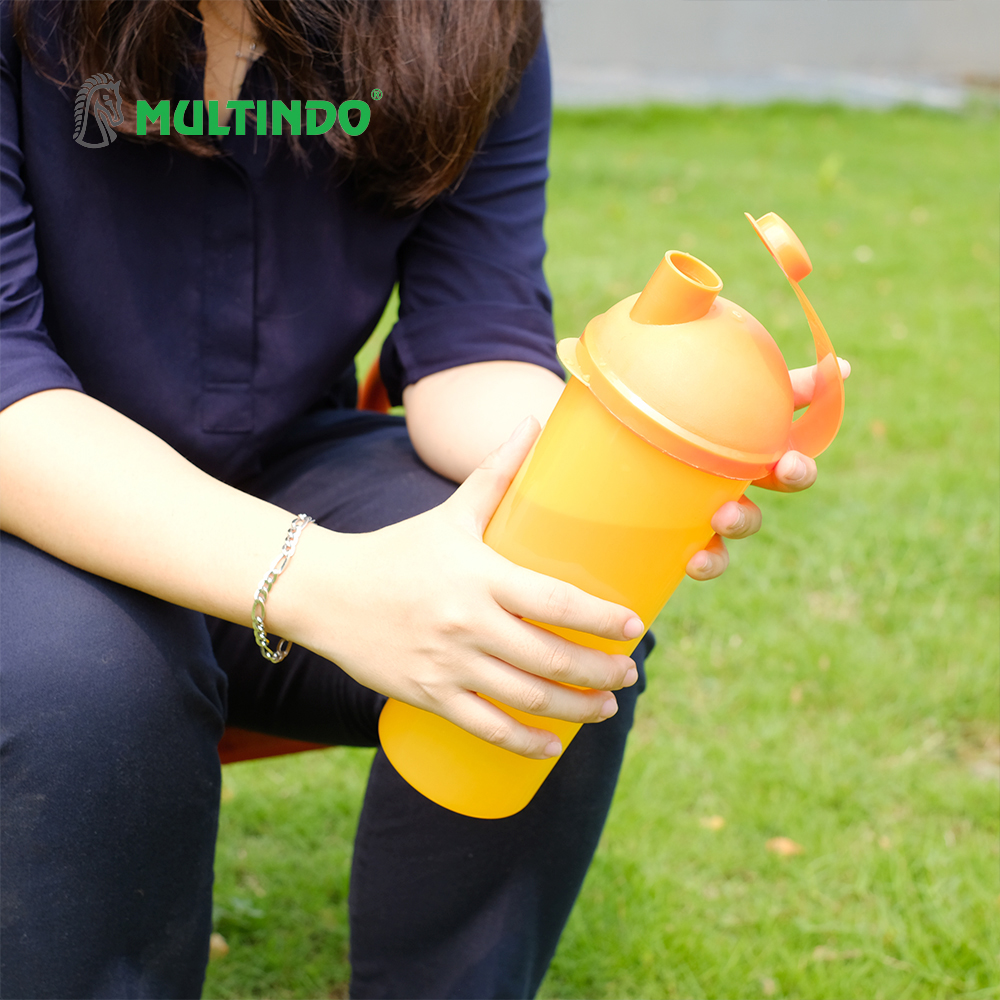
If you have done how to sterilize the plastic bottle above, your bottle must be clean. This method is only for bottles with repeated use. And do not hold the hot bottle with your hands to prevent scalding.
Do not try to sterilize single-use plastic bottles. Heat or bleach can destroy the chemicals in the plastic when you reuse the bottle. Stop the sterilization process if you see signs of damage. Immediately dispose of plastic bottles that are melted, deformed, scratched, or cracked.
Castalia International Plastic Products Distributor always provides the highest quality plastic products to customers around the world. We always pay more attention to detail, quality check, and understand customer's requirements.
Therefore, you should not hesitate to rely on Castalia International in terms of quality. Find us at https://castalia-international.sg/ and don't hesitate to join as our customer.