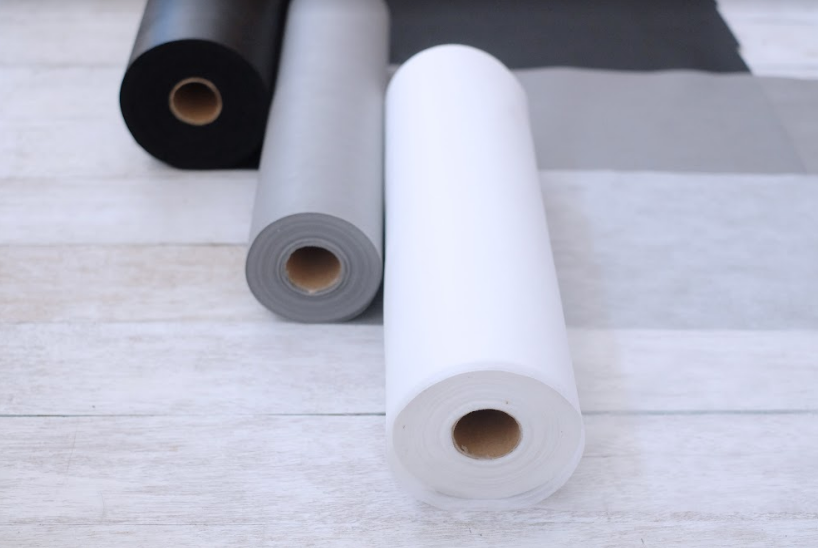
Non-woven fabric is a fabric-like material made by a chemical, thermal, or mechanical process. The most famous material of non-woven fabric is polyester. The first non-woven fabric was first invested in 1942 in an effort to produce fabric directly from fibers.
Non-woven fabric is a type of fabric that may be classified as disposable. But, it could also be very durable depending on the manufacturing process. It could also be reinforced with olefin and nylon. It is a very versatile piece of fabric and here are 7 advantages of non-woven fabric that you need to know.
The first advantage of non-woven fabric is its lightweight. Polyester resin has a mass of around three-fifths of cotton. Making it the best basic material for non-woven fabric. This feature is a plus point to manufacture medical products such as wipes and towels.
This feature is also great if the goal of the manufacturer is to get a disposable product. Non-woven fabric is also quick to adapt and elastic, thanks to the lightweight feature. It is also softer compared to woven fabric.
The softness of the non-woven fabric is created by thermal bonding. To create a softer feeling, fine fibers are used as the basic material. Not only soft, but the non-woven fabric is also comfortable. That’s why it is the best material to use in the medical world.
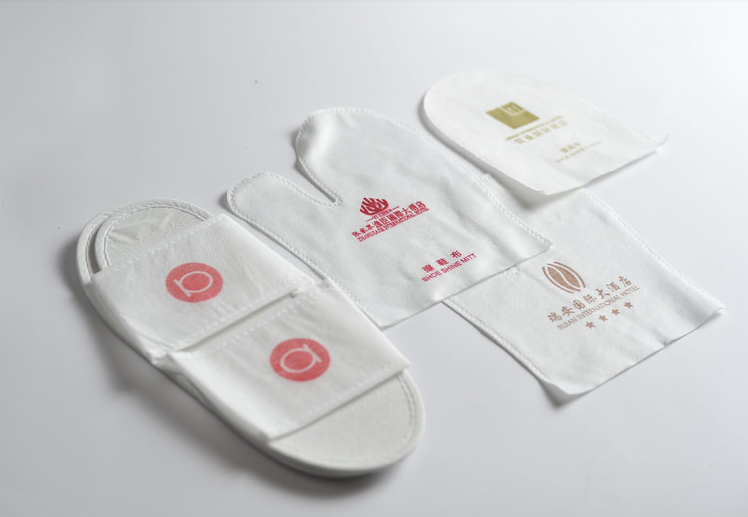
One of the 7 advantages of non-woven fabric is eco-friendly. Since the non-woven fabric is made from polyester, specifically polypropylene, it makes this fabric eco-friendly. The basic material of the non-woven fabric is different from the usual plastic bags that use polyethylene.
Unlike polyethylene, the chemical bonds of polypropylene are easily manipulated. Therefore, the non-woven fabric can be recycled without releasing toxicity. This feature is helpful in this time when there are many disposable medical equipment like masks, robes, and gloves.
One of the advantages of non-woven fabric is that it is water-resistant. It is possible since the basic material of the non-woven fabric is polypropylene. This fabric does not absorb water and has zero moisture content due to thermal processing.
But it is also breathable, with good air permeability. Therefore, it is widely used as medical equipment. And the most important of the 7 advantages of non-woven fabric. It is also easy to keep the cloth clean. The size of the polypropylene pores is small enough to keep away contaminants from settling into the materials.
When you need to use a non-woven fabric, there are a lot of characteristics that you can choose. From the appearance itself, the non-woven fabrics may be paper-like, or fabric-like. It could also be hard, stiff, or elastic depending on the basic materials and the purpose.
You could also find it as thin as tissue paper or as thick as a board. It also has a broad purpose. A non-woven fabric could also work as an insulator. The fabrication process may also differ, it could be glued, heat bonded, or made by a mechanical process.
To deliver a non-woven fabric to the public, it must be approved by the FDA. This process is necessary since it is widely used in the medical sector. It must be free from toxic chemicals. It also has to be free of odor.
This is one of the advantages of non-woven fabric that is highly useful in the medical sector. By using polypropylene as the basic material, it could also isolate bacteria and therefore make it sterile equipment. If stored properly, it could not be damaged by microorganisms.
The non-woven fabric demand has been rising ever since the pandemic. Many companies compete to create the best and high-quality non-woven fabric that will be approved by the Food and Drug Administration (FDA). It can be used to produce medical equipment like masks, gloves, bandages, caps, and gowns.
Other than that, it can be used to produce home interiors, such as drapes, furniture upholstery, mattress padding, tablecloths, and even carpets. It has become the new trend to use non-woven fabric in home interiors. Making versatility one of the advantages of non-woven fabric.
Non-woven fabrics are also used to produce filters, insulation, stabilizer sheetings, and packing materials. It is also used as a geotextile, namely foundation and soil stabilizer. It is also useful for erosion control and landfill liners.
The last thing on the 7 advantages of non-woven fabric list is the economical side. Non-woven fabric can be manufactured by a single machine. Therefore, the selling prices are comparatively low. But it is highly versatile so the demand keeps on rising.
That is all you need to know about the 7 advantages of non-woven fabric. It is also a step toward being eco-friendly. There are a lot of non-woven fabric choices. You can find one that can support your product.
For that if you need spunbond non woven technical fabrics, for your business needs, please contact us at castalia-international.sg as distributor of the product you are looking for, we are ready to serve you wholeheartedly.